
What to Do When You Find a Roof Leak During a Cape Town Storm
Ik
What to Do When You Find a Roof Leak During a Cape Town Storm
Cape Town winters arrive without much warning. One afternoon it's clear, and by evening the South Easter is driving sheets of rain against your roof.
When a roof leak appears mid-storm, the difference between acting quickly and waiting it out can mean the difference between a small repair and a full ceiling replacement.
This guide covers exactly what to do, step by step, from the moment you notice water coming in.
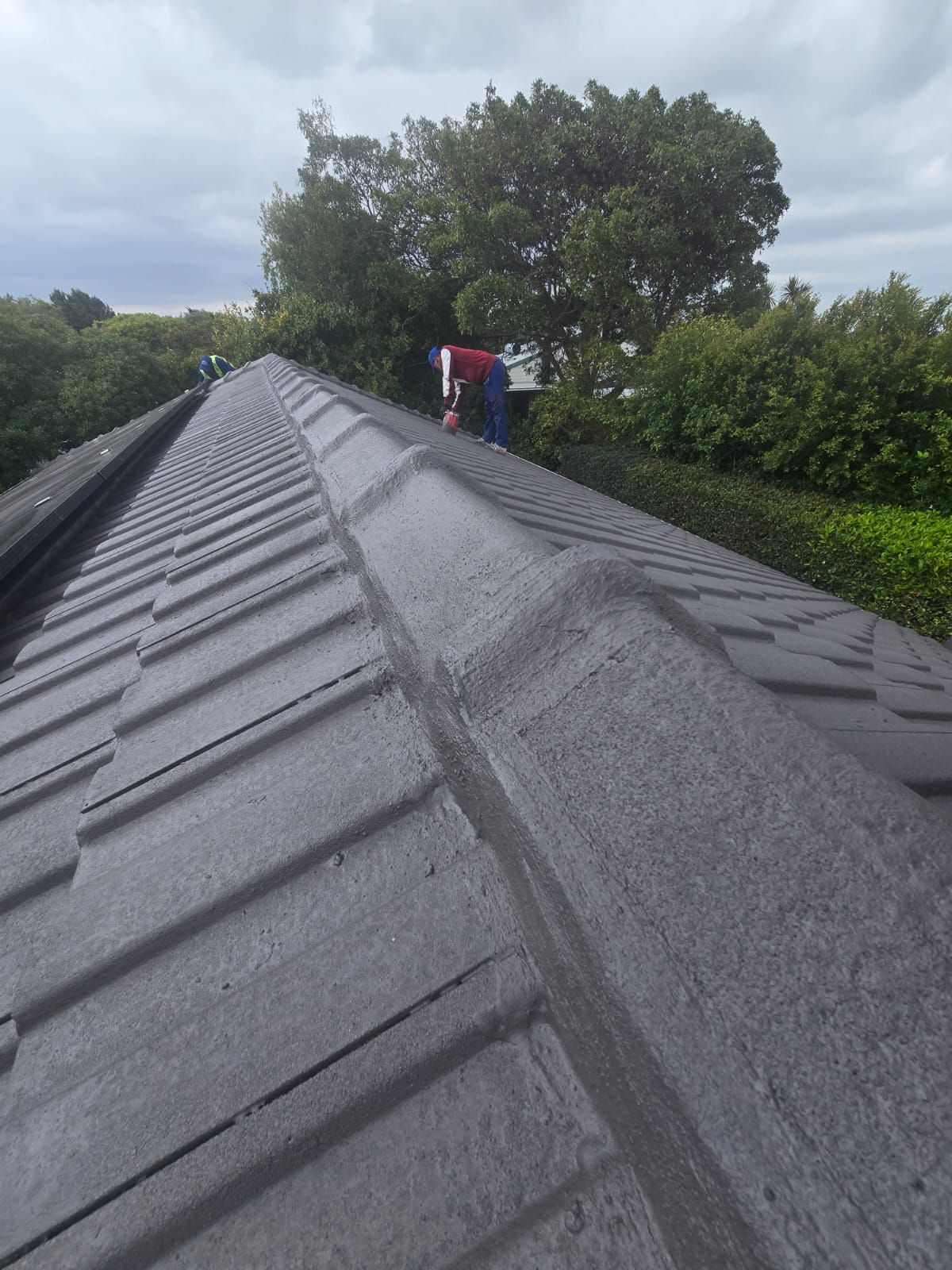
Step 1: Stay Calm, Then Act Immediately
Panic leads to poor decisions. Your first job is containment, not repair.
Take a breath, assess where the water is coming from, and start gathering what you need: buckets, old towels, plastic sheeting, and anything that can catch or redirect water.
Speed matters here. The longer water sits in contact with ceiling boards, wall cavities, and wooden roof structures, the more damage spreads. Acting within the first few minutes makes a real difference.
Step 2: Contain the Water
Place containers under every active drip point. If you have plastic sheeting or garbage bags, spread them on the floor to protect carpets and flooring. Use towels to soak up any water that's already pooled.
One situation catches many homeowners off guard: a ceiling that's bulging. When ceiling boards absorb water, they sag and pool before eventually giving way.
If you notice a bulge forming, carefully pierce the lowest point with a screwdriver. This sounds counterintuitive, but it releases the pressure in a controlled way, lets you direct the water into a bucket, and prevents the ceiling from collapsing suddenly under the weight.
Step 3: Protect Furniture and Electronics
Move anything valuable out of the affected area as quickly as possible, furniture, rugs, appliances, and anything sentimental. For items you can't move, cover them with plastic sheeting or waterproof tarps.
Electronics and appliances near the leak zone should be unplugged immediately. Don't wait to see whether the water reaches them.
Step 4: Switch Off Power to the Affected Area
Water and electricity are a dangerous combination. If the leak is anywhere near a light fitting, plug point, or electrical conduit, switch off power to that circuit at the DB board before doing anything else.
If you're not sure which circuit covers the affected area, switch off the main breaker.
Do not touch wet electrical surfaces under any circumstances. If in doubt, stay clear and call an electrician before re-entering the room.
Step 5: Don't Go Onto the Roof During the Storm
This is worth stating clearly: do not attempt to access your roof while the storm is active. Cape Town's winter storms bring strong South Easter winds, heavy rain, and slippery surfaces, a dangerous combination even for experienced contractors working with the right equipment.
No temporary external fix is worth the risk of a serious fall. Your focus right now should be on controlling the situation from inside. You'll have time for a proper roof inspection once the weather clears.
Step 6: Try a Temporary Internal Fix If It's Safe
Step 6: Try a Temporary Internal Fix If It's Safe If you can safely access your roof space or ceiling void from inside the house, you may be able to buy yourself some time.
Place a plastic sheet or tarp beneath the entry point of the leak to redirect water away from the ceiling and into a bucket below. This won't stop the leak, it simply redirects it. But in a sustained storm, that redirection can prevent a significant amount of water from reaching your ceilings and walls.
Note: Where the water appears to be entering so you can describe it accurately when you call a contractor.
Are you dealing with a roof leak right now? Get in touch with iKapa Waterproofing for a same-day assessment across Cape Town.

Step 7: Monitor Throughout the Storm
Leaks rarely stay in one place. As rain continues, water travels along roof beams, rafters, and wall cavities before appearing somewhere you might not expect.
Check your buckets and containment regularly, and keep an eye out for new damp patches appearing on ceilings or walls. Note every location where water appears.
This information will be valuable when a contractor assesses the damage, the entry point on the roof is often some distance from where the water eventually shows up inside.
Step 8: Inspect Once the Storm Passes
When it's safe to do so, carry out a systematic check of both the interior and exterior of your home.
Inside, look for:
- Stained, discoloured, or sagging ceiling boards
- Damp patches on walls, particularly near the top of exterior walls
- Any signs of moisture in your roof space if it's accessible
Outside, look for:
- Cracked, dislodged, or missing roof tiles
- Debris blocking gutters and downpipes
- Visible damage to flashing around chimneys, skylights, or roof vents
- Pooling water on flat roof sections
Take photographs of everything you find. You'll need this for a contractor assessment and, if applicable, an insurance claim.
Step 9: Call the Best Cape Town Waterproofing Contractor
Once the immediate emergency is under control, get a professional in as quickly as possible, ideally before the next rain event. Temporary fixes don't hold.
Even a patch that seems to work after a single storm will often fail again under sustained winter rainfall. A professional roof waterproofing contractor will identify the exact source of the leak, not just the symptom, and repair it in a way that lasts.
iKapa Waterproofing offers same-day assessments across Cape Town. Whether the issue is a failed waterproofing membrane on a flat roof, damaged tiles, blocked gutters, or flashing failure, we'll find it and fix it properly.
Why Cape Town Roofs Are Vulnerable in Winter
Cape Town's winter brings sustained south-westerly rain and strong South Easter winds that put real stress on roofs. The most common causes of storm-related roof leaks in Cape Town are:
- Failed waterproofing membranes on flat or low-pitch concrete roofs, particularly common in older homes in suburbs like Pinelands, Rondebosch, and Bellville
- Cracked or dislodged roof tiles lifted by wind
- Blocked gutters and downpipes that cause water to back up and overflow into the roof space
- Flashing failure around chimneys, skylights, and roof vents, one of the most underdiagnosed causes because it's not visible from the ground
When to Call iKapa Waterproofing
If the leak is recurring, if your ceiling is sagging or showing permanent staining, or if water is entering through a flat roof or parapet wall, these are signs that the underlying waterproofing system has failed and needs professional repair, not a patch.
iKapa Waterproofing covers all areas across Cape Town, from the Southern Suburbs to the Northern Suburbs, the Peninsula, and the Helderberg. We offer on-site assessments.
Get in touch today to book your assessment!