
Damp Walls in Your Cape Town Home? Here's Why It Happens and How to Stop It
Ik
Damp walls are one of the most misdiagnosed problems in Cape Town homes. The visible signs, paint peeling, a musty smell, dark staining, get treated repeatedly with waterproof paint or damp sealers, and the problem comes back. That's because damp paint treats the surface, not the cause. Until the source of moisture is identified and addressed properly, the damp will return.
This guide covers the main types of wall damp, how to tell them apart, and what a proper fix actually involves.
Why Cape Town Homes Are Particularly Susceptible
Cape Town's winter delivers sustained rainfall from the south-west, often accompanied by strong winds that drive rain directly into exterior walls. The city also has a large stock of older homes, many built in the 1950s, 60s, and 70s, where original damp proofing has deteriorated or was never particularly robust to begin with.
Add in the temperature swings between cold wet winters and hot dry summers, and you have conditions that consistently stress the waterproofing integrity of masonry, plaster, and render. Understanding which type of damp you're dealing with is the first step to fixing it.
Type 1: Penetrating Damp
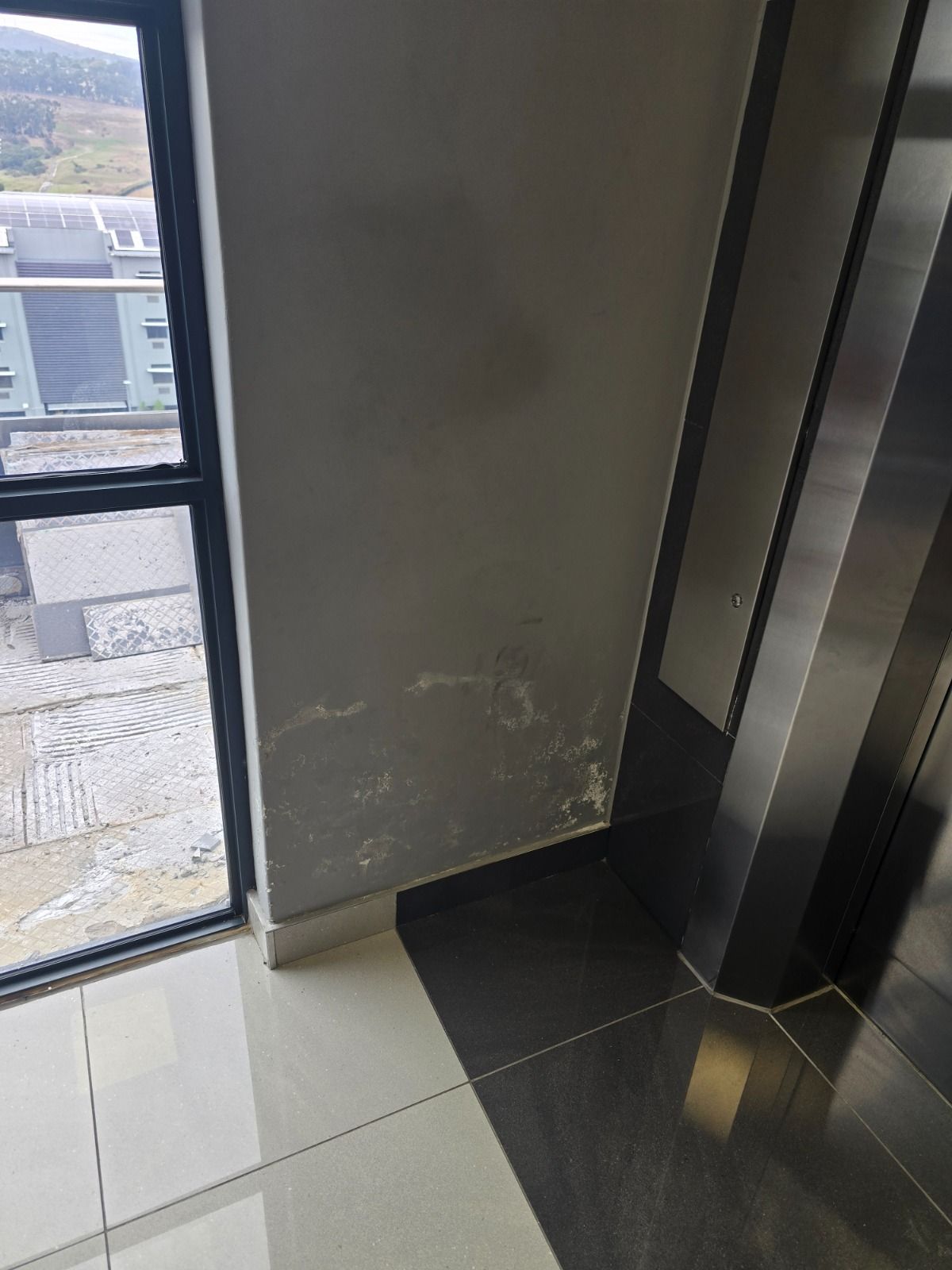
Penetrating damp is exactly what it sounds like, rainwater finding its way through an external wall and appearing on the interior surface. It's the most common type of wall damp in Cape Town, directly linked to the sustained driving rain that characterises winter here.
The entry point can be anywhere that the wall's integrity has been compromised:
Cracks in the external render or plaster
Failed pointing between brickwork
Cracks around window and door frames where the seal has deteriorated
Damaged or poorly installed wall coping that allows water to sit and penetrate from above
A failed external waterproofing coating
How to tell: Penetrating damp appears during or after rain. The affected area is typically on an external-facing wall and may be worse after wind-driven rain from a specific direction. It presents as a dark, wet-looking patch that dries out in dry weather and returns with the next rain event.
Type 2: Rising Damp
Rising damp is the upward movement of ground moisture through masonry by capillary action. It typically affects the lower section of walls, usually up to about 1 metre above floor level, and is most common in older homes where the original damp proof course has failed or was never installed.
Cape Town has a significant number of homes built before damp proof courses were standard practice. In some areas, high water tables or poorly drained subsoil can accelerate rising damp in walls that would otherwise be unaffected.
How to tell: Rising damp has a characteristic tidal mark, a horizontal band of staining and damage at a consistent height along the wall. The affected area tends to stay damp even in dry weather, because the moisture source is the ground, not rainfall. You'll often see efflorescence, white salt deposits, on the wall surface. Rising damp does not disappear in summer and return in winter. If your damp only appears after rain, it is not rising damp.
Type 3: Condensation Damp
Condensation forms when warm, moisture-laden air meets a cold surface. In a Cape Town winter, this typically happens on external walls and in poorly ventilated rooms, bathrooms, kitchens, and rooms with inadequate airflow.
Condensation damp is often mistaken for penetrating or rising damp, particularly when it leads to mould growth on walls. The distinction matters because the fix is completely different. Condensation damp requires improved ventilation and thermal performance, not waterproofing.
How to tell: Condensation damp tends to appear uniformly across a cold wall surface or in corners where air circulation is lowest. It's typically worse in winter and in rooms with high moisture output. Unlike penetrating damp, it doesn't correlate directly with rainfall events, and unlike rising damp, it appears at any height, often higher up rather than near floor level.
What Makes Damp Walls Worse Over Time
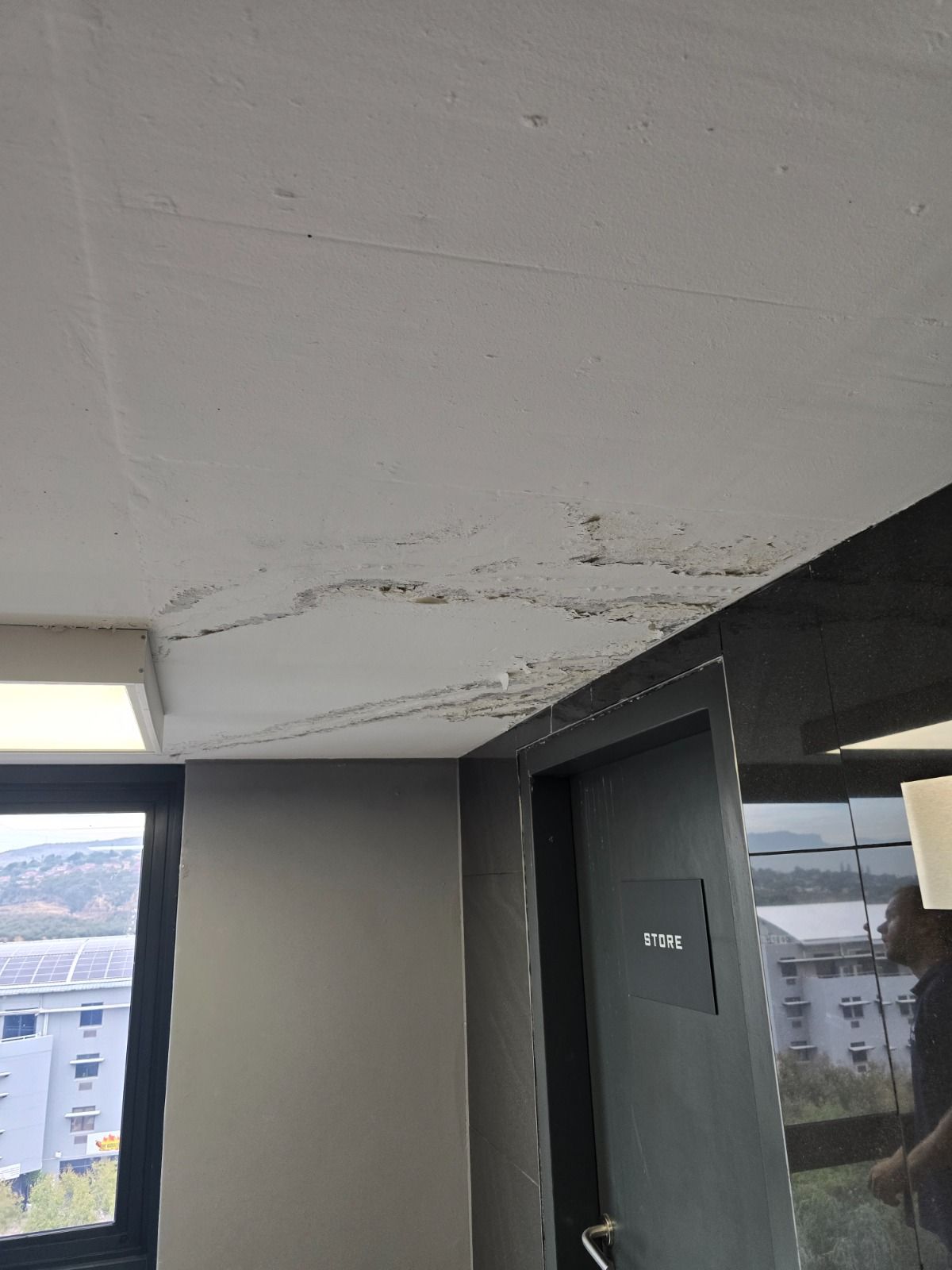
Many homeowners reach for waterproof paint or a damp sealer as a first response to wall damp. These products have a role in the right context, but applied over an active moisture problem without addressing the source, they trap moisture inside the wall structure.
Trapped moisture has consequences:
Plaster softens and eventually fails, requiring full replastering
Wall ties and steel lintels corrode, which can compromise structural integrity in severe cases
Mould establishes in the wall cavity, a health risk that's difficult to remediate once it's embedded
Timber window frames, skirting boards, and flooring adjacent to affected walls begin to rot
Each winter that passes without addressing the source adds to the scope and cost of the eventual repair.
What a Proper Damp Repair Looks Like:
The right approach depends entirely on the type and source of the damp. There is no universal product or treatment. Anyone offering to fix wall damp without first diagnosing the type is guessing.
For penetrating damp, the repair typically involves identifying and sealing all cracks, failed joints, and deteriorated pointing on the exterior, repairing or replacing failed window and door seals, and applying an appropriate external waterproofing treatment once all entry points have been closed.
For rising damp, the repair involves installing or reinstating a damp proof course, either a physical barrier or a chemical injection system, allowing the wall to dry fully before any replastering, and replastering with a salt-resistant render that won't be damaged by residual salts in the masonry.
For condensation damp, the fix is primarily improving ventilation in the affected space, addressing thermal bridging where possible, and treating existing mould growth correctly before it spreads.
The Role of External Waterproofing
For many Cape Town homes, particularly those with older masonry that has been repaired and re-rendered multiple times, a quality external waterproofing coating applied over a sound, prepared surface provides significant long-term protection against penetrating damp.
This is not the same as a surface paint. A correctly specified external waterproofing system bridges fine cracks, allows the wall to breathe, and creates a durable barrier against driving rain. Applied properly, it can extend the life of the wall's damp protection by 10 years or more.
Getting the Right Diagnosis
The single most important step if you have damp walls is getting the type correctly identified before spending anything on treatment. A coat of waterproof paint applied over rising damp won't hold. A damp proof course installed on a wall that's suffering penetrating damp won't address the cause.
iKapa Waterproofing assesses all three types of wall damp. We identify the source, confirm the type, and recommend the correct repair approach, not the easiest one to sell.
We cover all areas across Cape Town. Get in touch to book your assessment.